
Debunking Common Fitness Myths with Owings Mills Personal Trainers
TT
Introduction to Fitness Myths
Embarking on a fitness journey can be both exciting and overwhelming, especially with the plethora of information available. Unfortunately, not all of this information is accurate. In fact, many fitness myths can lead you astray from your goals. Here at the Owings Mills Personal Trainers, we aim to debunk some of the most common fitness myths to help you achieve your goals effectively and safely.
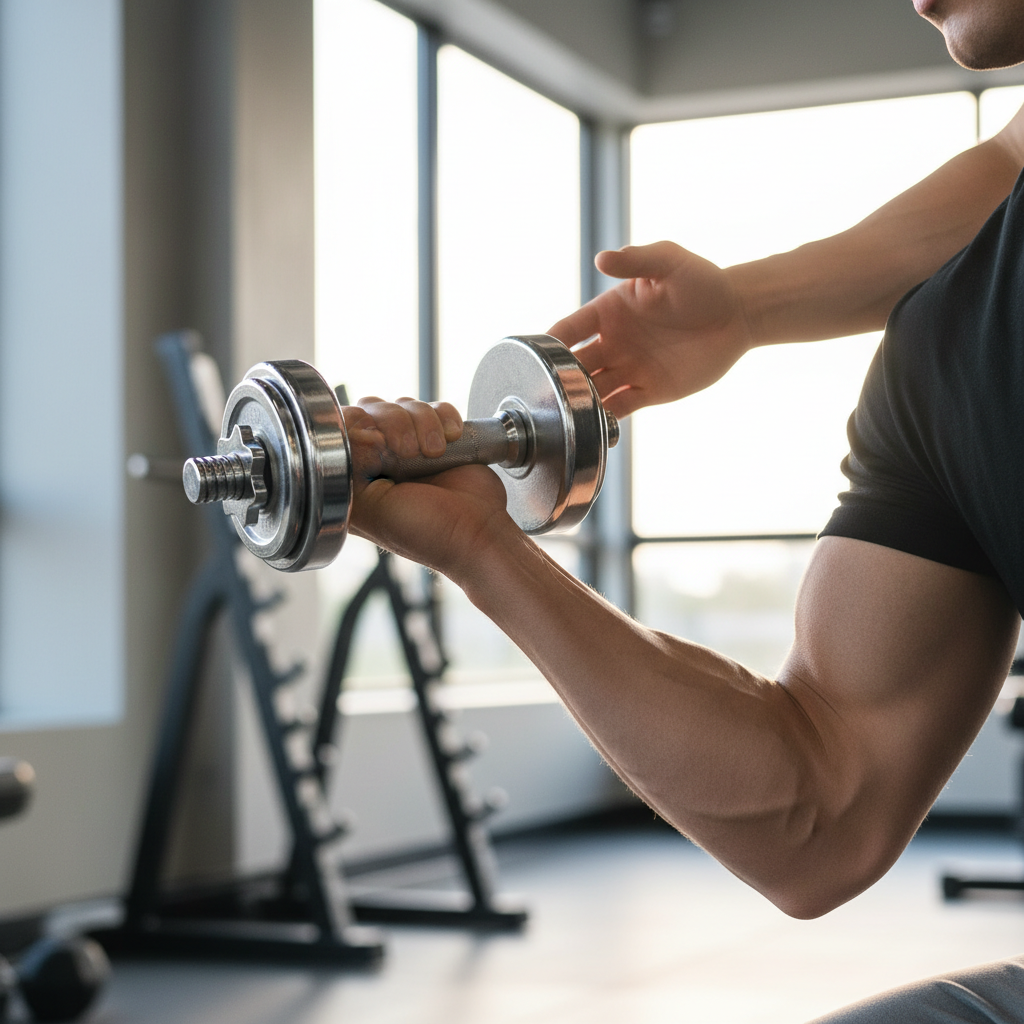
Myth 1: Cardio is the Only Way to Lose Weight
One of the most pervasive myths is that cardio is the sole method for weight loss. While cardio exercises like running and cycling are effective at burning calories, they are not the only option. Strength training, for instance, is crucial for building muscle, which in turn increases your resting metabolic rate. This means you'll burn more calories even when you're not exercising.
Combining both cardio and strength training can lead to more sustainable weight loss. A balanced workout routine, emphasizing both elements, is recommended by our personal trainers for optimal results.
Myth 2: Lifting Weights Makes You Bulky
Many people, especially women, avoid weightlifting due to the fear of becoming "bulky." This myth couldn't be further from the truth. Building significant muscle mass requires specific training and nutrition strategies, typically pursued by bodybuilders.
For most individuals, lifting weights will result in a toned and defined physique, not a bulky one. It also improves bone density and boosts metabolism, contributing to overall health and fitness.

Myth 3: You Can Spot Reduce Fat
The idea that you can target fat loss in specific areas is another widespread myth. Many people spend hours doing crunches, hoping to shed belly fat, but unfortunately, spot reduction is a myth. Fat loss occurs evenly throughout the body based on a combination of genetics, diet, and exercise.
Our trainers recommend a holistic approach that includes a well-rounded fitness program and nutrition plan to reduce overall body fat effectively.
Myth 4: No Pain, No Gain
The notion that you must endure pain to see results is misleading and potentially harmful. While it's normal to experience some discomfort as your muscles adapt to new challenges, intense pain is a sign of injury or overtraining.
Listening to your body and allowing adequate rest and recovery is crucial. Proper technique, gradual progression, and a balanced workout routine ensure that you gain without the unnecessary pain.

Myth 5: Supplements are Essential for Success
In the fitness industry, supplements are often marketed as a shortcut to success. However, they are not a substitute for a balanced diet and consistent exercise. Whole foods should provide the majority of your nutritional needs.
Supplements can be beneficial in certain situations, but it's important to consult with a healthcare provider or nutritionist before adding them to your regimen.
Conclusion
Understanding the truth behind these fitness myths can empower you to make informed decisions about your health and fitness journey. At Owings Mills Personal Trainers, we prioritize evidence-based practices to help you achieve your goals safely and effectively. Remember, the path to fitness is a marathon, not a sprint, and requires patience, dedication, and accurate information.